





Sequential test
A flood risk assessment is required for most proposed developments that are within a designated flood zone.
A sequential test may be required as part of a flood risk assessment. It compares the site for a proposed development with other available sites to determine which has the lowest flood risk.
A sequential test is required if:
- The development is in flood zone 2 or 3, AND
- A sequential test has not already been done for a development of the type proposed on the proposed site.
A sequential test is not required if:
- The development is a ‘minor development’ OR
- The development involves a change of use, unless it is a caravan, camping chalet, mobile home or park home site OR
- It is a development in flood zone 1, unless there are flooding issues in the area of the development.
The sequential test must conclude whether any of the alternative sites that have been identified have a lower risk of flooding than the proposed site. It should be submitted along with the flood risk assessment and the planning application to the local planning authority.
If the sequential test shows that it is not possible to use an alternative site, it may be necessary to undertake an exception test. This shows how flood risk will be managed on the proposed site and demonstrates that the sustainability benefits of the development to the community outweigh the flood risk.
For more information see: https://www.gov.uk/guidance/flood-risk-assessment-the-sequential-test-for-applicants
[edit] Related articles on Designing Buildings Wiki
- BREEAM Flood risk management.
- BREEAM Surface water run-off.
- Design flood event.
- Design flood level.
- Flood and Water Management Act.
- Flood defences
- Flood plain
- Flood risk
- Flood risk assessment.
- Flood risk management plan
- Flood zone
- Flood.
- Minor development.
- Planning for floods.
- Property flood resilience
- Sustainable urban drainage systems.
Featured articles
Check out some of the best features and news from Designing Buildings as well as key stories from around the web.
Building Regulations and Building Safety Act
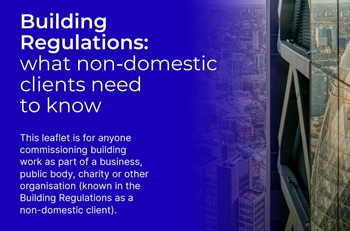
CIOB publishes free advice for non-domestic clients.
Building Safety Newsletter from MHCLG.
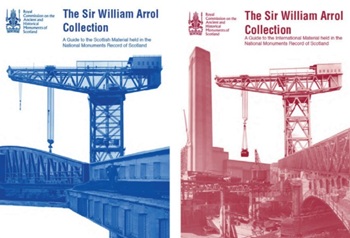
An extraordinary record of steel engineering worldwide.

Households living near new pylons to save on bills.

ECA warns growth must not outpace grid capacity or skills.
The role of the client and decision making

CIOB response to built environment professions call for evidence.
Construction's sustainability reporting revolution
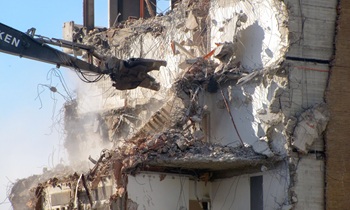
Tracking upfront embodied carbon with digital tools.
ECA welcomes procurement reforms

Public spending must back British jobs and skills.
Campaigning for Edinburgh: the Cockburn Association 1875-2049
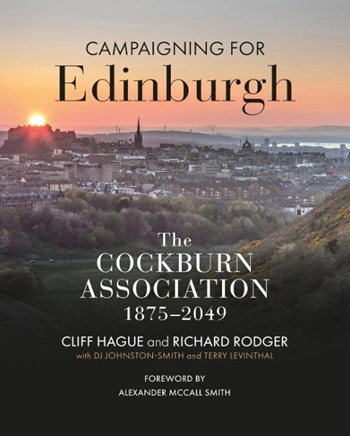
The role of the civic voice in protecting character. Book review.

CIOB photography competition is open for entries.
ECA Edmundson apprentice of the year award

Finalists announced.
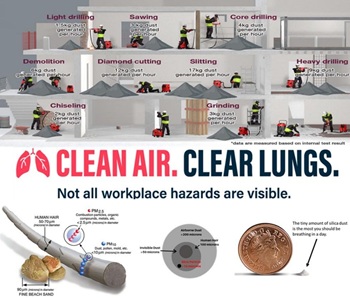
Major new study exposes serious knowledge gaps.